Hey there, folks! I’m a supplier of end stop brackets, and I get this question a lot: "How do I choose an end stop bracket based on its elasticity?" Well, let me break it down for you in a simple and easy – to – understand way. End Stop Bracket
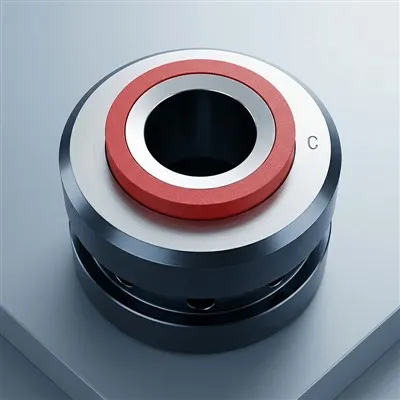
First off, let’s talk about what elasticity in an end stop bracket actually means. Elasticity refers to the ability of the bracket to deform under stress and then return to its original shape. It’s like a spring. When you push a spring, it compresses, but once you let go, it bounces back. In the case of end stop brackets, this property is super important because it affects how the bracket performs in different applications.
Why Elasticity Matters
The elasticity of an end stop bracket can impact several aspects of its use. For one, it determines the amount of shock absorption. If you’re using end stop brackets in a machine where there’s a lot of movement and sudden stops, you need brackets with good elasticity. They’ll absorb the shock of the moving parts hitting the stops, reducing wear and tear on the equipment. This means less maintenance and longer – lasting machinery.
Another reason elasticity matters is in terms of precision. In some applications, like in manufacturing processes where accuracy is key, the right level of elasticity ensures that the moving parts stop at the exact right position. If the bracket is too rigid, it might cause the parts to bounce back or cause a jolt, throwing off the precision. On the other hand, if it’s too elastic, the parts might not stop quickly enough.
Factors to Consider When Choosing Based on Elasticity
Application Type
The first thing you need to think about when choosing an end stop bracket based on elasticity is the type of application. Are you using it in a conveyor system? A robotic arm? Or maybe in a hydraulic press?
In a conveyor system, for example, the movement is usually continuous, and the stops are hit regularly. You’ll want an end stop bracket with moderate elasticity. This will absorb the shock of the packages or machinery on the conveyor hitting the stops, preventing damage to the conveyor and the items being transported.
If it’s for a robotic arm, the requirements are different. Robotic arms need to stop precisely at specific points. So, you’ll need a bracket with a very specific level of elasticity to ensure accurate stopping and prevent overshooting.
Load Capacity
The load that the end stop bracket will be承受 (I know I’m writing in English, just translating my thoughts here in my head) is another crucial factor. If you have a heavy – duty application where large and heavy objects are involved, you need a bracket with high elasticity and high load – bearing capacity.
For instance, in a large – scale manufacturing plant where heavy metal parts are being moved around by cranes, the end stop brackets on the crane’s movement tracks need to be able to handle the massive weight and the force of the stops. A bracket with low elasticity in this case would quickly break or deform permanently.
Environmental Conditions
The environment in which the end stop bracket will be used also plays a role. If the application is in a place with high temperatures, the elasticity of the bracket material can change. Some materials become more rigid in high – heat situations, while others might lose their elasticity.
Similarly, in a humid or corrosive environment, the elasticity can be affected. For example, if the bracket is made of a metal that rusts easily, the rust can make the bracket stiffer and reduce its ability to deform and return to its original shape. So, you need to choose a material that can maintain its elasticity in the given environmental conditions.
Different Materials and Their Elasticity
Now, let’s look at some common materials used for end stop brackets and their elasticity characteristics.
Rubber
Rubber is a popular choice for end stop brackets because of its high elasticity. It can absorb a lot of shock and return to its original shape quickly. Rubber brackets are great for applications where there’s a lot of vibration and impact. They’re often used in automotive and industrial machinery.
However, rubber has its limitations. It can degrade over time, especially in high – heat or high – UV environments. Also, it might not be suitable for very high – load applications as it can start to deform permanently under extreme pressure.
Plastic
Plastics come in a variety of types, each with different levels of elasticity. Some plastics, like polyurethane, have good elasticity and can be used in applications similar to rubber ones. They’re often more resistant to chemicals and UV rays compared to rubber.
On the other hand, plastics like polycarbonate are more rigid and have lower elasticity. They’re better suited for applications where precision and a more stable stop are required, but where there’s less shock and vibration.
Metal
Metals, such as steel and aluminum, are known for their strength. While they’re not as elastic as rubber or some plastics, they still have a certain degree of elasticity. Steel brackets can handle very high loads and are often used in heavy – industrial applications.
Aluminum is lighter and has a bit more elasticity compared to steel. It’s a good choice for applications where weight is a concern, like in aerospace or some high – speed machinery.
Testing the Elasticity
As a supplier, I know how important it is to make sure the end stop brackets we provide have the right level of elasticity. That’s why we conduct various tests.
One common test is the compression test. We apply a specific amount of force to the bracket and measure how much it compresses. Then, we release the force and see how well it returns to its original shape. This gives us an idea of the bracket’s elasticity and its ability to withstand repeated stress.
We also do fatigue tests. We subject the bracket to thousands of cycles of compression and release to simulate real – world use. This helps us determine if the bracket will maintain its elasticity over time.
Making the Right Choice
So, how do you actually choose the right end stop bracket based on its elasticity? Here’s a step – by – step guide:
- Define your application clearly. Know what kind of movement, load, and environmental conditions the bracket will be exposed to.
- Research the different materials and their elasticity properties. Consider the pros and cons of each material based on your application requirements.
- If possible, ask for samples from your supplier. Test the samples in your actual application or in a similar environment to see how they perform.
- Look at the test results provided by the supplier. Make sure the bracket meets your elasticity and performance criteria.
Rubber-metal Composite Valve Core If you’re in the market for end stop brackets and need help choosing the right ones based on elasticity, I’m here to assist. Whether you’re dealing with a small – scale project or a large – industrial application, I can help you find the perfect bracket. Just reach out, and let’s start a conversation about your needs.
References
- Industrial Materials Handbook: This handbook provides comprehensive information on the properties of different materials used in end stop brackets.
- Machinery Design and Maintenance Manual: It offers insights into the importance of elasticity in end stop brackets for various machinery applications.
Tianjin TGE BIAM Graphene Technology Co., Ltd.
Tianjin TGE BIAM Graphene Technology Co., Ltd. is one of the most professional end stop bracket manufacturers and suppliers in China, also supports customized service. Please feel free to buy bulk advanced end stop bracket in stock here from our factory. For quotation, contact us now.
Address: No. 24 Sanjing Road, Dongli Development Zone, Tianjin City, China.
E-mail: sales@tge-tj.com
WebSite: https://www.tge-valve.com/
