What are the short – circuit breaking capacities of Molded Case Circuit Breakers?
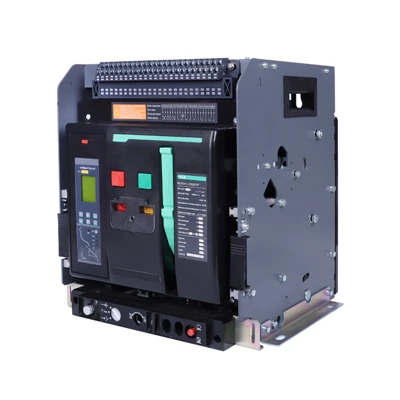
As a supplier of Molded Case Circuit Breakers (MCCBs), I’ve witnessed firsthand the critical role these devices play in electrical systems. One of the most important specifications of an MCCB is its short – circuit breaking capacity, a factor that directly impacts the safety and reliability of any electrical installation. Molded Case Circuit Breakers
Understanding Short – Circuit Breaking Capacity
Short – circuit breaking capacity, also known as the interrupting rating, is the maximum current that an MCCB can safely interrupt under short – circuit conditions without suffering damage. When a short – circuit occurs in an electrical system, an extremely high current can flow. This high – current situation can lead to overheating, arcing, and even explosions if not properly managed. The short – circuit breaking capacity of an MCCB determines its ability to handle these high – current events.
For example, imagine a large industrial facility with a complex electrical network. If a short – circuit happens between phases or between a phase and ground, the current can skyrocket to several times the normal operating current. An MCCB with an inadequate short – circuit breaking capacity may not be able to interrupt this high current quickly enough. As a result, it could be destroyed, leading to extensive damage to the electrical system, equipment downtime, and potential safety hazards for personnel.
Factors Affecting Short – Circuit Breaking Capacity
Several factors influence the short – circuit breaking capacity of an MCCB.
1. Design and Construction
The internal design of an MCCB is a key determinant of its breaking capacity. Modern MCCBs are designed with advanced arc – quenching technology. When a short – circuit occurs, an arc is formed as the contacts of the breaker separate. The arc must be extinguished quickly and safely to interrupt the current. MCCBs use various methods such as magnetic blowout coils, arc chutes, and special contact materials to facilitate arc quenching.
For instance, the arc chute is designed to split the arc into multiple smaller arcs, which are then cooled and extinguished more easily. The quality of the contact materials also plays a crucial role. High – quality materials can withstand the high – temperature and high – energy conditions during a short – circuit event without excessive wear or damage.
2. System Voltage
The system voltage has a significant impact on the short – circuit breaking capacity. As the voltage increases, the energy associated with a short – circuit also increases. Therefore, an MCCB designed for a higher – voltage system must have a higher short – circuit breaking capacity to handle the larger amount of energy.
For example, an MCCB used in a low – voltage distribution panel (e.g., 230V or 400V) will have different breaking capacity requirements compared to an MCCB used in a medium – voltage system (e.g., 10kV or 20kV). Our company offers a wide range of MCCBs with different voltage ratings and corresponding short – circuit breaking capacities to meet the diverse needs of our customers.
3. Fault Current Magnitude
The magnitude of the fault current in an electrical system is another important factor. The fault current depends on various factors such as the source impedance, the length and cross – section of the conductors, and the connected load. In a system with a low source impedance, the fault current can be very high.
To accurately select an MCCB with the appropriate short – circuit breaking capacity, a detailed fault current calculation must be performed. Our technical team can assist customers in conducting these calculations based on their specific electrical system parameters.
Importance of Selecting the Right Short – Circuit Breaking Capacity
Selecting an MCCB with the correct short – circuit breaking capacity is of utmost importance for several reasons.
1. Safety
Safety is the primary concern in any electrical installation. An MCCB with an adequate short – circuit breaking capacity can quickly and safely interrupt the circuit during a short – circuit event, preventing electrical fires, explosions, and damage to equipment. This protects the lives of personnel working in the vicinity of the electrical system and reduces the risk of property damage.
2. Equipment Protection
Electrical equipment such as motors, transformers, and generators are expensive assets. A short – circuit can cause severe damage to these devices if not properly protected. By using an MCCB with the right short – circuit breaking capacity, the equipment is shielded from the high – current effects of a short – circuit, extending its lifespan and reducing maintenance costs.
3. System Reliability
A reliable electrical system is essential for the smooth operation of any business or facility. An MCCB that fails to interrupt a short – circuit due to an inadequate breaking capacity can lead to power outages, production losses, and disruption of normal operations. By choosing the correct MCCB, the overall reliability of the electrical system is enhanced.
How We Ensure High – Quality Short – Circuit Breaking Capacity in Our MCCBs
As a supplier of MCCBs, we take several measures to ensure that our products have high – quality short – circuit breaking capacities.
1. Rigorous Testing
All our MCCBs undergo extensive testing in our state – of – the – art testing laboratories. We simulate various short – circuit scenarios to verify that the breakers can interrupt the specified short – circuit currents safely and reliably. The testing process includes monitoring parameters such as arc duration, contact erosion, and temperature rise during the short – circuit event.
2. Continuous Research and Development
We invest heavily in research and development to improve the design and performance of our MCCBs. Our engineering team is constantly exploring new materials, arc – quenching technologies, and manufacturing processes to enhance the short – circuit breaking capacity of our products.
3. Compliance with Standards
Our MCCBs are designed and manufactured in compliance with international standards such as IEC 60947 – 2. These standards define the requirements for the short – circuit breaking capacity and other performance parameters of MCCBs. By adhering to these standards, we ensure that our products meet the highest quality and safety requirements.
Conclusion
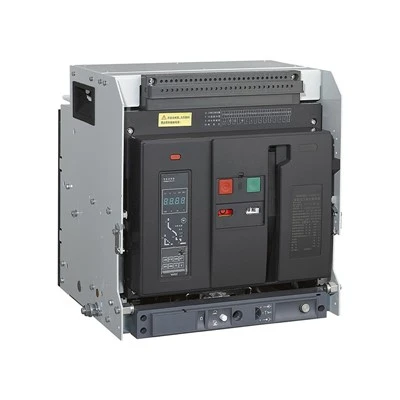
The short – circuit breaking capacity of Molded Case Circuit Breakers is a critical parameter that directly affects the safety, reliability, and performance of electrical systems. As a supplier, we understand the importance of providing our customers with MCCBs that have the appropriate short – circuit breaking capacities for their specific applications.
Molded Case Circuit Breakers If you are in the market for high – quality Molded Case Circuit Breakers and need assistance in selecting the right product based on the short – circuit breaking capacity requirements of your electrical system, we are here to help. Our experienced team can provide you with detailed technical advice and support. Contact us today to discuss your procurement needs and start a partnership that will ensure the safety and reliability of your electrical installations.
References
- IEC 60947 – 2: Low – voltage switchgear and controlgear – Part 2: Circuit – breakers.
- Electrical Installation Handbook. Schneider Electric.
- Power System Analysis textbooks for fault current calculation methods.
Wenzhou Lanen Electrical Co., Ltd.
Wenzhou Lanen Electrical Co., Ltd. is one of the most professional molded case circuit breakers manufacturers and suppliers in China, also supports customized service with low price. Please feel free to buy CE approved molded case circuit breakers made in China here from our factory. Contact us for more discount information.
Address: Zhiguang Liushi Town Yueqing City Wenzhou City Zhejiang Province
E-mail: lanen@luyele.cn
WebSite: https://www.lanenelectrical.com/
