As a supplier of reflective fabric, I’ve often been asked about the feasibility of using our product in marine applications. This inquiry stems from the unique challenges and requirements presented by the marine environment, where visibility, durability, and safety are of utmost importance. In this blog post, I’ll delve into the properties of reflective fabric, explore its potential uses in the marine sector, and discuss the considerations that come with its application. Reflective Fabric
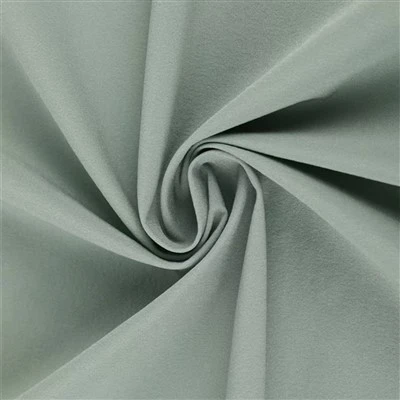
Understanding Reflective Fabric
Reflective fabric is engineered to return a significant amount of light back to its source. This is achieved through the incorporation of tiny glass beads or microprisms on the surface of the fabric. When light hits these elements, it is refracted and redirected, creating a highly visible glow that can be seen from a distance, even in low – light or nighttime conditions.
The most common types of reflective fabric include:
- Beaded reflective fabric: Made with glass beads that are embedded in a resin layer. This type is flexible and offers good reflective performance, especially at wide angles.
- Microprismatic reflective fabric: Utilizes microprisms, which provide a more precise redirection of light and often offer higher reflectivity compared to beaded fabric. Microprismatic reflective materials tend to be more expensive but are also more durable and offer better performance in specific lighting conditions.
Potential Marine Applications
Life Jackets and Personal Flotation Devices (PFDs)
One of the most obvious applications of reflective fabric in the marine industry is on life jackets and PFDs. In emergency situations, such as a person falling overboard, the high – visibility nature of reflective fabric can greatly increase the chances of being spotted quickly by rescuers. Whether it’s during a search at night or in low – light conditions like dawn or dusk, a reflective strip or panel on a life jacket can make a significant difference. The bright reflection will stand out against the often – dark backdrop of the ocean, making it easier for vessels equipped with searchlights or for aircraft to locate the person in the water.
Buoys and Floating Markers
Buoys and floating markers are essential for navigation in waterways. By applying reflective fabric to these markers, their visibility can be enhanced during all hours of the day and night. In the dark, traditional buoys may blend into the background, making it difficult for boaters to identify them accurately. Reflective fabric can help buoys stand out, allowing mariners to better judge their position and the boundaries of safe passage. This is particularly important in areas with heavy vessel traffic or in channels with limited clearance.
Marine Safety Suits
Marine safety suits worn by crew members on boats and ships are another area where reflective fabric can play a crucial role. These suits are typically used in situations where there is a risk of exposure to the elements, such as during maintenance work on the deck or in case of an unexpected emergency. Adding reflective elements to the suit ensures that workers are visible to their colleagues, as well as to other vessels in the vicinity. This helps to prevent accidents and facilitates quick response in case of any untoward incident.
Sails and Boat Covers
Although not as common as the previous applications, reflective fabric can also be used on sails and boat covers. While the primary function of sails is for propulsion, enhancing their visibility can be beneficial in crowded waterways or when participating in races. Reflective strips on sails can make the boat more easily distinguishable from others, reducing the risk of collisions. Similarly, boat covers with reflective components can help in identifying a vessel in a marina or storage area, especially in the dark.
Considerations for Marine Use
Durability
The marine environment is harsh, subjecting materials to constant exposure to saltwater, UV radiation, and extreme weather conditions. Reflective fabric used in marine applications must be able to withstand these challenges. Saltwater can cause corrosion and degradation of the fabric’s reflective properties over time. UV radiation can fade the fabric and weaken its structure. Therefore, we need to ensure that the reflective fabric we supply has been treated with appropriate coatings or finishes to enhance its resistance to these factors. For instance, applying a clear, UV – resistant coat can help protect the reflective elements from the sun’s rays, and a water – repellent treatment can prevent saltwater from seeping into the fabric.
Adhesion
In most cases, reflective fabric will need to be attached to another surface, whether it’s a life jacket, buoy, or safety suit. The adhesion of the reflective fabric is crucial to ensure that it stays in place during normal use and in extreme conditions. In the marine environment, the fabric may be subject to constant movement, vibrations, and exposure to water, so the bonding method must be strong enough to withstand these forces. Specialized adhesives or heat – pressing techniques may be required to ensure a secure and long – lasting attachment.
Color and Contrast
The color of the reflective fabric can also impact its effectiveness in the marine environment. Dark – colored reflective fabrics may be less visible in low – light conditions compared to lighter colors. Additionally, the contrast between the reflective fabric and the background material is important. A high – contrast combination will make the reflective elements stand out more clearly, increasing their visibility. When choosing reflective fabric for marine applications, we need to consider the base color of the product it will be applied to and select a reflective fabric color that provides the best contrast.
Advantages of Our Reflective Fabric for Marine Applications
Our company prides itself on providing high – quality reflective fabric that is well – suited for marine use. Our fabric is made with premium materials that have been rigorously tested for durability. The reflective elements are carefully selected and engineered to provide maximum reflectivity at a wide range of angles.
We offer a variety of reflective fabric colors and styles to meet different customer needs. Whether it’s for a bright, attention – grabbing life jacket or a more discreet application on a sail, we have the right product. Our fabric also undergoes special treatments to enhance its resistance to saltwater and UV radiation, ensuring a long lifespan in the marine environment.
In terms of adhesion, we work closely with experts to develop the best attachment techniques. Our fabric can be easily attached to various surfaces using reliable methods, ensuring that it stays in place even under tough conditions.
Conclusion
Reflective fabric can indeed be used effectively in marine applications. Its high visibility properties make it an invaluable addition to life jackets, buoys, safety suits, sails, and boat covers. While there are certain considerations such as durability, adhesion, and color contrast, with the right product and approach, these challenges can be overcome.
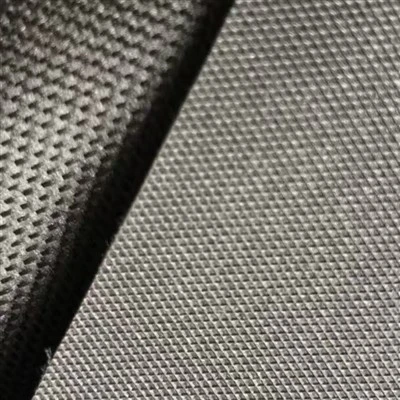
As a supplier of reflective fabric, we are committed to providing products that meet the high – standards required for marine use. Our fabric offers a combination of excellent reflectivity, durability, and versatility. If you are in the marine industry and are interested in incorporating reflective fabric into your products or safety equipment, I encourage you to contact us for a detailed discussion on your needs. We can provide samples and technical support to help you make the best choice for your specific application.
Tent Fabric References
- ASTM International standards on reflective materials for outdoor use
- Publications from the International Maritime Organization (IMO) on marine safety equipment
- Industry reports on the use of reflective materials in various industries including marine
Wujiang Jiashunxin Spray Weaving Co., Ltd.
As one of the most professional reflective fabric manufacturers and suppliers in China, we’re featured by quality products and good service. We warmly welcome you to wholesale bulk customized reflective fabric from our factory. If you have any enquiry about free sample, please feel free to email us.
Address: Xingli New Village, Lili Town, Wujiang District, Suzhou City, Jiangsu Province
E-mail: xuzhiqiang20260525@163.com
WebSite: https://www.shunbangfabric.com/
