As a provider of special trucks, I often encounter inquiries from clients about the payload capacity of these specialized vehicles. The payload capacity of a special truck is a critical factor that can significantly influence its suitability for a particular job. In this blog, I’ll delve into what payload capacity means, the determinants of payload capacity in special trucks, and how to choose a truck based on your required payload. Special Truck
Understanding Payload Capacity
First off, let’s clarify what payload capacity is. In the context of trucks, the payload capacity refers to the maximum weight of cargo that a truck can safely carry. This includes everything you load onto the truck, such as equipment, materials, or passengers if it’s a multi – purpose special truck. It’s important to note that payload capacity is not just about the weight you can throw onto the bed or into the storage compartments of the truck; it also encompasses the weight of accessories that may be installed on the vehicle.
Mathematically, the payload capacity is calculated by subtracting the curb weight of the truck from its Gross Vehicle Weight Rating (GVWR). The curb weight is the weight of the truck when it’s empty, including all standard equipment, fuel, and other necessary fluids. The GVWR, on the other hand, is the maximum weight that the truck is designed to carry, including its own weight and the payload.
For instance, if a special truck has a GVWR of 20,000 pounds and a curb weight of 12,000 pounds, then its payload capacity is 8,000 pounds (20,000 – 12,000).
Determinants of Payload Capacity in Special Trucks
Chassis and Frame Design
The chassis and frame of a special truck play a fundamental role in determining its payload capacity. Special trucks with a heavier – duty frame are generally able to support more weight. For example, trucks that are built with a reinforced steel frame can withstand greater stress and, therefore, have a higher payload capacity compared to those with a lighter – gauge frame.
We manufacture different types of special trucks with varying frame designs. Our heavy – duty models are engineered with large – section beams and high – strength steel, which not only enhances durability but also allows for a substantial increase in the amount of cargo they can carry.
Suspension System
The suspension system is another key factor. A well – designed suspension can evenly distribute the weight of the payload across the axles of the truck. This reduces the stress on individual components and ensures a smoother ride, even when the truck is fully loaded.
Our special trucks are equipped with advanced suspension systems. For example, some of our models feature air suspension, which can be adjusted according to the load. This allows for optimal weight distribution and improved handling, regardless of whether the truck is carrying a light or heavy payload.
Axle Configuration
The number and type of axles on a special truck also impact its payload capacity. Trucks with more axles can generally carry more weight because the load is spread out over a larger area. For example, a tandem – axle truck (two axles at the rear) can typically carry more than a single – axle truck.
In addition to the number of axles, the axle rating is important. The axle rating indicates the maximum weight that an axle can support. By carefully selecting axle configurations with appropriate ratings, we can customize our special trucks to meet different payload requirements.
Engine and Transmission
While it may not be as obvious as the physical structure of the truck, the engine and transmission also have an influence on payload capacity. A more powerful engine can handle the additional load more easily, providing the necessary torque to move the truck and its cargo. The transmission also needs to be able to match the power output of the engine to the driving conditions.
Our selection of special trucks comes with a range of engine options. From smaller, more fuel – efficient engines for light – duty payloads to large – displacement engines with high horsepower and torque for heavy – haul applications, we can ensure that the engine and transmission combination is suitable for the expected payload.
Types of Special Trucks and Their Payload Capacities
Dump Trucks
Dump trucks are commonly used in the construction and mining industries to transport bulk materials such as sand, gravel, or dirt. These trucks typically have a relatively high payload capacity, which can range from 10 to 25 tons depending on their size and configuration.
Our dump trucks are designed with robust frames and powerful hydraulic systems. This allows for quick and efficient unloading of the payload, making them ideal for large – scale construction projects where time is of the essence.
Refrigerated Trucks
Refrigerated trucks, also known as reefers, are used to transport perishable goods such as food, pharmaceuticals, and flowers. The payload capacity of a refrigerated truck is often limited by the need to maintain a specific temperature range inside the cargo area. Insulation materials and refrigeration units add to the truck’s weight, reducing the amount of cargo it can carry.
However, our refrigerated trucks are engineered to maximize payload capacity without compromising on temperature control. We use advanced insulation materials that are lightweight yet highly effective, allowing for a balance between cooling performance and payload capabilities.
Flatbed Trucks
Flatbed trucks are versatile vehicles that can carry a wide variety of cargo, including construction equipment, machinery, and large – scale structural components. The payload capacity of flatbed trucks can vary greatly, from a few tons for smaller models to over 40 tons for heavy – duty commercial flatbeds.
Our flatbed trucks feature low – profile frames and wide decks, which not only provide a large surface area for loading but also help to keep the center of gravity low, enhancing stability even when carrying heavy and bulky loads.
Choosing the Right Special Truck Based on Payload Requirements
When selecting a special truck, it’s crucial to accurately assess your payload needs. Consider the following steps:
Calculate Your Payload
First, determine the maximum weight of the cargo you’ll be transporting on a regular basis. If you’re involved in a construction project, this might involve weighing the materials you’ll be moving, such as steel beams or bags of cement. Make sure to also account for any additional equipment or tools that will be on the truck.
Consider Future Growth
If your business is expanding, you should plan for future increases in payload requirements. It may be wise to choose a truck with a slightly higher payload capacity than your current needs to accommodate growth without having to replace the truck in the near future.
Match the Truck’s Features to Payload
Ensure that the truck’s features, such as its chassis, suspension, and engine, are suitable for the expected payload. For heavy – weight cargo, a truck with a heavy – duty frame and a powerful engine is essential. For sensitive or perishable goods, a well – insulated and climate – controlled truck is required.
Conclusion
Understanding the payload capacity of a special truck is crucial for making an informed decision when purchasing or renting a vehicle. As a provider of special trucks, we take great pride in offering a diverse range of trucks that can meet the various payload requirements of our customers. Whether you need a high – capacity dump truck for a construction project or a temperature – controlled reefer for transporting food products, we have the solution.
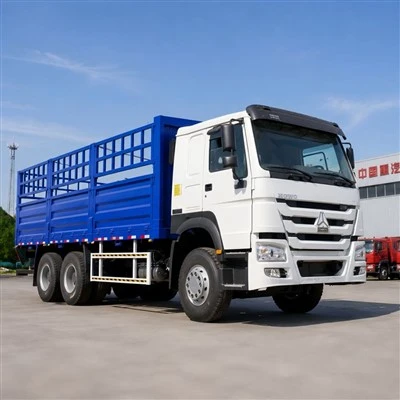
If you’re in the market for a special truck and need more information about payload capacities or any other features, we encourage you to reach out to us. Our team of experts is ready to assist you in choosing the right truck for your needs and guide you through the purchasing process. Don’t hesitate to contact us for a consultation and to start discussing how our special trucks can be the perfect fit for your business.
References
Cargo Truck • Automotive Engineering Handbook, Edited by Richard Stone and Lambert Da Rosa, 2nd Edition.
• Truck and Bus Technology, By Josef Schmied, Springer – Verlag Berlin Heidelberg.
• Handbook of Vehicle Design, Ed. Harold A. Rothbart, McGraw – Hill Professional
Jining Dafu Machinery Sales Co., Ltd.
As one of the most professional special truck suppliers in China, we’re featured by quality products and low price. Please rest assured to wholesale bulk cheap special truck from our factory. We also accept customized orders.
Address: Room 1-115, Building 7, Luxinan Auto Parts City, Qiantongdian Village, Quanpu Town, Liangshan County, Jining City, Shandong Province
E-mail: jiningdafu@163.com
WebSite: https://www.dafumachinery.com/
