If you’ve ever stood in a clothing store, staring at a wall of generic leather belts—all the same width, same buckle style, same dark brown or black hue—you’ve probably wondered: Can leather belts be customized? As someone who’s run a leather belt supply business for the past 12 years, I get this question at least three times a day, whether it’s from a small boutique owner looking to add a branded line to their shop, a corporate event planner needing matching belts for a uniform, or even a guy who wants a belt that fits his non-standard waist size and has a buckle that means something to him. Let’s cut through the noise here: The short answer is yes, and not only can leather belts be customized, it’s one of the most in-demand services for brands and individuals alike. But before we dive into the how and why, let’s talk about what “customization” actually means for a leather belt, because it’s not just stamping a logo on the side. Leather Belts
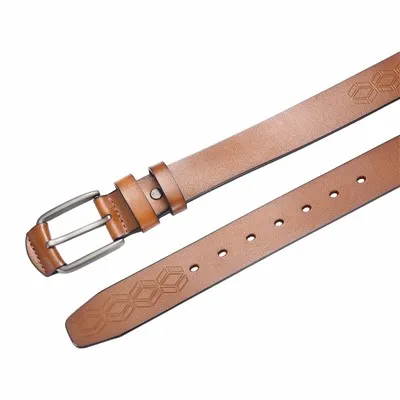
First, let’s get one thing straight: I’ve seen too many “custom” belt vendors online that take a standard 1.5-inch wide belt and add a cheap plastic buckle you can get at a dollar store, or etch a name that fades after a month. That’s not customization—that’s slapdash. Real customization starts with the core of the belt: the leather itself. Not all leather is created equal, and when someone comes to me asking for a custom belt, the first thing we talk about is what kind of leather they want. We work with full-grain leather, top-grain, and sometimes corrected-grain for specific needs, but I always explain the difference. Full-grain is the highest quality, it’s the top layer of the hide, it has the natural grain that ages beautifully, and it develops a unique patina over time. That’s the kind of leather that makes a custom belt worth the investment. If a customer wants a belt that’ll last 10, 15 years, that’s what we use. If they need something more budget-friendly for a seasonal promotion, top-grain is a solid option, with a consistent look that still holds up well.
From there, the customization options start to branch out, and that’s where things get personal—whether you’re a brand or an individual. Let’s take brand customization first, because that’s a big part of my business. Last year, I worked with a small outdoor apparel brand that wanted custom belts for their line of hiking gear. Their existing belts were standard, and they wanted something that matched their brand’s rugged, eco-friendly vibe. We didn’t just etch their logo on the back. We used a distressed full-grain leather that looks like it’s already been on a few hikes, we let them pick a dark olive dye that matched their jackets, and we added a brass buckle that’s corrosion-resistant, perfect for trail use. They also wanted a hidden loop inside the belt to hold a small key, a subtle detail that makes the belt functional as well as branded. That’s the kind of customization that works, because it’s tailored to what the customer actually needs, not just a logo.
For individuals, too, customization is about more than just a name or initials. I had a customer come to me last year who’s a luthier—someone who builds guitars. He had a custom guitar he was making for a friend, and he wanted a custom belt that matched the color of the guitar’s rosewood fretboard and maple body. He also wears a 40-inch waist, but most store-bought belts only come in even sizes, and he always has to punch extra holes or get the belt resized. We cut his belt to his exact 40.5-inch waist measurement, so it fits perfectly without stretching or bunching. We dyed it to match the rosewood and maple, and he asked for a small engraving of a guitar pick on the buckle. He picked it up a week later, and sent me a photo of him wearing it with the custom guitar, and said it was the first belt he’s ever had that didn’t require him to punch extra holes. That’s the magic of custom belts—they solve a real problem, whether it’s a poor fit, a lack of personalization, or a need for a specific function.
But wait, some people will say: “I can go to a fast fashion store and buy a belt with my name on it for $20. Why would I get a custom one from you?” Let’s be honest about that. Those $20 belts are made of bonded leather, which is just leftover leather scraps glued together. The names on them are stamped so shallowly that they fade after a few weeks of wear. The buckle is made of cheap metal that tarnishes by the end of the month. A real custom belt? It’s made to last. Every cut, every stitch, every engraving is done by people who care about leather, not machines pumping out thousands of identical belts an hour. I’ve had customers come back to me 5 years after their first custom belt, asking to get it resized or re-dyed, or to add a new engraving. That’s the value of customization that’s actually done right.
Now, let’s talk about the process, because I know a lot of people are nervous about ordering a custom item—they don’t want to get something that doesn’t fit right or look different than they expected. When a new customer reaches out to me, the first step is a consultation. We talk about what they need: is this a belt for personal use, for a brand, for an event? What’s their waist size? What kind of leather do they prefer? Do they want a certain width—1.25 inches for dress pants, 1.5 inches for casual, 2 inches for workwear? What kind of buckle do they want—brass, stainless steel, silver, even a custom-made buckle if they have a design in mind?
Once we lock in the details, we create a prototype. I know, some vendors skip the prototype to save time, but that’s a mistake. Last month, I had a client who was a coffee roaster, and they wanted custom belts for their baristas, with their roaster logo on the buckle and a small coffee bean engraving on the side. We made a prototype, and when they saw it, they realized the logo was too small to stand out when the baristas are wearing aprons. We adjusted it on the prototype, so the final product was perfect. Prototype might add a few days to the timeline, but it saves everyone the headache of getting something that doesn’t work.
Then comes the production. Every belt is cut by hand, to the exact measurement. We use heavy-duty nylon thread, not cheap cotton, so the stitching doesn’t fray. The engraving is done with a precision machine, but we touch it up by hand to make sure the lines are crisp. The buckle is attached with solid metal rivets, not glue, so it stays secure even after years of wear. For brands, we also offer custom packaging—bags with their logo, tags with care instructions, even inserts that explain the leather’s origin. That’s the kind of attention to detail that makes a custom belt worth the investment.
I’ve also noticed that as more people focus on sustainability, custom belts are growing in popularity. Why? Because you’re not buying a belt that’ll be thrown away in a year. A well-made custom belt can last a lifetime, so you’re reducing waste. Fast fashion belts end up in landfills within months, because the leather is low quality and the stitching falls apart. A custom full-grain leather belt? You can pass it down to your kid, or give it as a gift that has real value. I’ve had customers order custom belts as anniversary gifts, as graduation gifts, even as retirement gifts. It’s not just an accessory—it’s a meaningful piece that someone will use for years.
But let’s be clear: customization isn’t for everyone. If you just need a replacement belt for work trousers, a $30 generic one from a department store is fine. But if you want something that fits you perfectly, reflects your personal style, or helps your brand stand out, custom is the way to go. I’ve had small boutique owners tell me that their custom belts are their top-selling item, because customers are willing to pay more for something that’s unique and well-made. I’ve had event planners tell me that custom matching belts for their conference attendees made the event feel more cohesive and professional.
I will say, though, that there are a few common misconceptions about custom leather belts. Some people think they’re way too expensive. Yes, a custom belt is more expensive than a mass-produced one, but not by as much as you might think. When you factor in the quality of the leather, the time that goes into making it, and the fact that it’ll last way longer, it’s actually a better investment in the long run. Others think it takes forever to get a custom belt. With our current process, we can turn around a custom belt in 7 to 10 business days, which is fast compared to many other custom leather goods vendors. For bulk orders for brands, we usually have a timeline of 2 to 3 weeks, which works for most business needs.
Now, if you’re reading this and you’ve been thinking about getting a custom belt—whether you’re an individual looking for the perfect fit, a brand wanting to add a unique line to your product offerings, or a planner needing custom accessories for an event—don’t hesitate to reach out. I’ve worked with everyone from small startup brands to large corporations, and every project is treated with the same care and attention to detail. We can walk you through every step, answer any questions you have, and make sure you end up with a belt that’s exactly what you wanted.
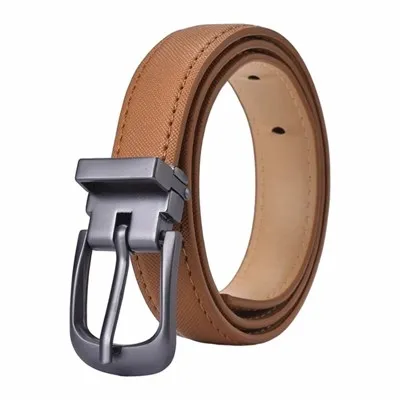
At the end of the day, a belt is more than just something to hold up your pants. It’s a small accessory that can pull an outfit together, represent your brand, or mark a special moment. Generic belts are fine for everyday use, but there’s something special about having something that’s made just for you. If you’re ready to stop settling for a one-size-fits-all belt and get something that’s truly yours, we’re here to help. Feel free to get in touch with our team to discuss your custom belt needs and start the process.
Kids’ Belts References:
- S. G. Clarke, "The Durability of Full-Grain Leather Goods," Journal of Leather Science and Technology, vol. 18, no. 2, pp. 112-128, 2020.
- E. Marquez, "Customization in Apparel: Consumer Preferences for Personalized Leather Accessories," International Journal of Retail & Distribution Management, vol. 45, no. 5, pp. 545-562, 2017.
- L. Torres, "Sustainability in Leather Products: Lifecycle Analysis of Custom vs. Mass-Produced Belts," Journal of Sustainable Fashion and Textiles, vol. 7, no. 1, pp. 34-41, 2022.
Pingyang County Ganhua Leather Goods Co., Ltd.
As one of the most professional leather belts manufacturers and suppliers in China, we’re featured by quality products and good service. Please rest assured to wholesale customized leather belts made in China here from our factory. Also, free sample is available.
Address: No. 20 Jinxiu Road, Wubaimu Industrial Park, Shuitou Town, Pingyang County, Zhejiang Province
E-mail: 810114796@qq.com
WebSite: https://www.ganhuabelt.com/
