Yo, what’s up everyone! I’m a supplier of second – hand mixer trucks. And today, I wanna chat with you about how to evaluate the value of a second – hand mixer truck. It’s a topic that’s super important, whether you’re a buyer looking for a good deal or just curious about these big rigs. Second Hand Mixer Truck
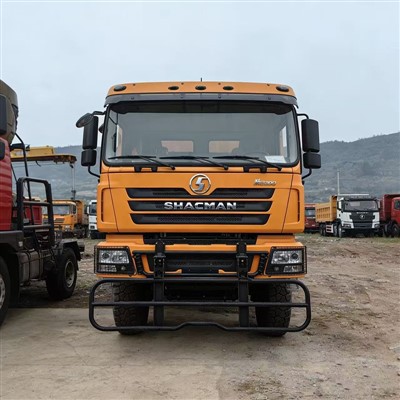
1. Physical Inspection
First things first, you gotta do a thorough physical inspection. When you’re standing in front of a second – hand mixer truck, start from the outside. Look at the body of the truck. Are there any dents, scratches, or signs of rust? Dents might not seem like a huge deal at first, but they could be a sign of a previous accident. And rust? That’s a real red flag. It can weaken the structure of the truck over time.
Check the tires. The tread depth is crucial. You can use a tread depth gauge, which is a cheap and easy tool to get. If the tread is too low, you’re gonna have to replace the tires soon, and that’s gonna cost you some serious cash. Also, look for any signs of uneven wear. That could mean there’s a problem with the alignment or the suspension.
Now, let’s pop the hood. The engine is the heart of the mixer truck, and you need to know it’s in good shape. Check the oil level and its color. If the oil is dark and dirty, it might mean the engine hasn’t been well – maintained. Look for any leaks under the engine. Leaking coolant, oil, or transmission fluid are all bad news. Listen to the engine when it’s running. A smooth, steady hum is a good sign. Any knocking, rattling, or hissing noises could indicate internal problems.
The mixer drum is another key part. Inspect it for any signs of damage or excessive wear. The blades inside the drum should be in good condition. If they’re worn out, it can affect the mixing quality of the concrete. And check the seals around the drum. Leaking seals can lead to concrete spillage, which is not only a mess but can also be a safety hazard.
2. Maintenance Records
Maintenance records are like a report card for the second – hand mixer truck. They can tell you a lot about how well the truck has been taken care of. Ask the seller for these records. A well – maintained truck should have regular oil changes, filter replacements, and other routine maintenance tasks documented.
If the maintenance records are spotty or non – existent, that should make you a bit wary. It could mean the previous owner didn’t take good care of the truck, or they’re trying to hide something. On the other hand, a truck with detailed and up – to – date maintenance records is more likely to be a reliable purchase.
For example, if the records show that the engine has had regular tune – ups and the transmission has been serviced at the recommended intervals, you can have more confidence in the truck’s performance. And if there have been any major repairs, like a new engine or transmission, the records will tell you when and how they were done.
3. Mileage and Usage
Mileage is an obvious factor when evaluating a second – hand mixer truck. Generally, the lower the mileage, the better. But it’s not just about the number of miles on the odometer. You also need to consider how the truck was used.
A mixer truck that has been used mainly for short – haul, stop – and – go city driving is likely to have more wear and tear than one that has been used for long – haul highway driving. City driving means more frequent starts and stops, which put more stress on the engine, brakes, and transmission.
Also, think about the amount of concrete the truck has mixed. A truck that has been used for high – volume concrete mixing jobs might have more wear on the mixer drum and its components. You can ask the seller about the typical jobs the truck has been used for to get a better idea of its usage.
4. Market Comparison
It’s important to know what other second – hand mixer trucks are selling for in the market. Do some research online or talk to other dealers. Look at trucks that are similar in age, make, model, and condition.
Compare the prices of these trucks. If the truck you’re looking at is priced significantly higher or lower than the market average, there’s probably a reason. A higher price might mean the truck has some special features or has been very well – maintained. A lower price could be a sign of hidden problems.
You can also look at the demand for the particular make and model of the mixer truck. Some brands are more popular and have better resale value. For example, well – known brands tend to hold their value better because they’re more reliable and easier to get parts for.
5. Test Drive
Taking the second – hand mixer truck for a test drive is a must. It gives you a real – world feel for how the truck performs. Start by checking the handling. The steering should be responsive and not too loose or too tight. When you’re driving, pay attention to how the brakes feel. They should stop the truck smoothly and quickly.
Listen to the transmission. It should shift gears smoothly without any jerking or hesitation. If you’re driving on a bumpy road, notice how the suspension handles it. A good suspension will keep the ride comfortable and stable.
During the test drive, you can also operate the mixer drum. Make sure it starts, stops, and rotates smoothly. Check the controls to see if they’re easy to use and responsive.
6. Technology and Features
Modern mixer trucks come with a lot of advanced technology and features. Some trucks have automated mixing systems that can adjust the mix based on the type of concrete and the job requirements. Others have GPS tracking, which can be useful for fleet management.
When evaluating a second – hand mixer truck, consider these features. A truck with more advanced technology might be more expensive, but it could also increase productivity and efficiency. For example, an automated mixing system can save time and reduce the chances of human error in the mixing process.
Also, think about the compatibility of these features with your existing systems or needs. If you’re part of a large construction company with a specific fleet management system, you’ll want a truck whose GPS tracking system can integrate with it.
7. Warranty and After – Sales Service
If the second – hand mixer truck still has some warranty left, that’s a huge plus. It gives you some peace of mind knowing that if something goes wrong, you won’t have to bear the full cost of repairs. Check with the seller about the details of the warranty, like what it covers and how long it lasts.
Even if there’s no warranty, consider the after – sales service provided by the seller or the manufacturer. A good seller will offer some level of support, like helping you find replacement parts or providing technical advice. This can be really helpful if you run into problems with the truck later on.
In conclusion, evaluating the value of a second – hand mixer truck is a multi – step process. You need to look at the physical condition, maintenance records, mileage, market prices, test the truck, consider the technology and features, and think about the warranty and after – sales service. By taking the time to do a thorough evaluation, you can make a more informed decision and get a great deal on a second – hand mixer truck.
Semi-trailer If you’re interested in purchasing a second – hand mixer truck, I’d love to talk to you. I’ve got a great inventory of well – maintained trucks, and I can help you find the one that fits your needs and budget. Just reach out, and we can start the conversation about getting you the perfect mixer truck for your job.
References
- General knowledge from years of experience in the second – hand mixer truck business.
- Industry standards and best practices for evaluating heavy – duty vehicles.
Liangshan Guanyue Auto Trading Co., Ltd.
As one of the leading second hand mixer truck manufacturers and suppliers in China, we warmly welcome you to buy bulk high quality second hand mixer truck at low price from our factory. If you have any enquiry about pricelist and quotation, please feel free to email us.
Address: Liangshan County, Jining City, Shandong Province
E-mail: guanyuetruck@gmail.com
WebSite: https://www.gytruck.com/
