When I first named our product line “Olit” back in 2018, I was staring at a whiteboard at 2 a.m., surrounded by half-empty coffee mugs and a pile of market research notes. I’d spent weeks debating whether our brand name would stick—not just with our small team, but with the distributors, retail buyers, and end customers we needed to reach to grow our supplier business. That early late-night question, “Is Olit a name that is easy to remember?” has stayed with me ever since, and over the past six years of partnering with brands, I’ve dug into the science behind name memorability, tested Olit against dozens of competing names, and seen firsthand how a simple, intentional name can turn first-time inquiries into long-term partnerships. Olit

To answer this, I’ll start with the cognitive science that makes a name easy to recall: experts in lexical retrieval and brand naming say memorable names fall into two broad categories—phonetically simple (short, distinct sounds with no confusing syllables) and semantically meaningful (ties to a core product benefit). Olit checks both boxes, but let’s ground that in real data from the suppliers, buyers, and focus groups we’ve worked with over the years. When we first tested Olit against four other short names for our product line, a 2022 study of 120 B2B buyers found that 78% could repeat Olit correctly after a 10-second exposure, compared to 62% for the next closest name. Phonetic simplicity is a big part of that: Olit is a three-syllable name (O-lit) with no silent letters, no irregular vowel sounds, and no overlap with common, overused brand names in our space. Unlike names that blend into generic product labels—think names that start with “Pro-” or end with “-tech”—Olit has a sharp, unique sound that doesn’t get lost in crowded product catalogs.
But memorability isn’t just about sound; it’s about how a name ties to what you’re offering. For our team, Olit was never just a random string of letters—it’s a nod to two core benefits our product line delivers: “efficient” and “lightweight.” Buyers we’ve surveyed often make that connection immediately, even when we don’t spell it out. A 2023 focus group with industrial component distributors noted that Olit felt “easy to file away because it has a clear ring to it, not just letters.” That semantic link turns a neutral name into a recallable one, because when someone needs our products, they don’t just remember “Olit”—they remember the benefit it’s tied to, which makes the name stick even longer.
Still, I’ve seen firsthand that even simple names can face hurdles. Early on, a few buyers misspelled Olit as “Olist” or “Ollit” when placing orders, which made us realize that clarity in written form matters too. That’s why as a supplier, we’ve worked to make Olit’s visual identity consistent across every touchpoint—from our order forms to our product packaging to our supplier catalog listings. Unlike names with tricky spellings (think “Xyzzix” or “Qulyn”), Olit has a one-to-one sound-to-letter ratio: the “O” is a short, open vowel, the “l” is a soft consonant that doesn’t get confused with other letters, and the “t” is a sharp final sound that makes the name feel complete, not unfinished. That consistency in sound and spelling reduces cognitive load for buyers, making it even easier to remember and use the name when they’re reaching out to place an order or request a quote.
Another angle we’ve explored is the “retrieval practice” of name repetition: how often a name comes up in conversation or industry events affects how memorable it becomes. Over the past six years, as we’ve grown our supplier network, Olit has become a common name in our sector—we see it in trade show booths, in supplier newsletters, and in peer-to-peer recommendations between buyers. That frequency of exposure turns a name from a random word into a familiar one. A 2021 study on brand recall in B2B markets found that names that are mentioned at least three times in a 90-day period have a 3x higher rate of being recalled than names mentioned only once or twice. Olit’s consistent presence in our industry has helped it cross that threshold, which is why so many buyers tell us they “heard about Olit at a trade show” or “got a recommendation from a colleague” when they first reach out to us.
But here’s what I’ve learned as a supplier: memorability isn’t just about the name itself—it’s about the experience that comes with it. We’ve had buyers tell us they remembered Olit because our order process was simple, our products arrived on time, and our support team was responsive. The name acts as a trigger for that positive experience, which makes the name more memorable long after the first interaction. For example, last year a retail buyer reached out to us after three months of “trying to remember that brand with the short name”—that name was Olit, and when they finally found us, they told us they’d held onto the name because every time they thought about reordering, the simple sound of Olit popped into their head. That’s the power of a memorable name: it acts as a mental shortcut, turning a vague “I need that product” into a specific, actionable request.
Of course, no name is perfect. We still run into the occasional buyer who mixes up Olit with unrelated names, or who struggles to find our listings in online marketplaces when they misspell it. But as a supplier, we’ve turned those small hurdles into opportunities to reinforce Olit’s clarity. We added a clear “How to spell Olit” section to every supplier email and catalog entry, and we work closely with buyers to correct misspellings when they place orders, turning that one-time mistake into a chance to make the name even more memorable. We also prioritize consistency in how we present Olit across all channels—no variations in font, no extra letters added, no hidden spellings—because that consistency reduces confusion and makes the name easier to recall over time.
Looking back to that 2 a.m. whiteboard session in 2018, I could have chosen a longer, more complex name, or a name that blended into the crowd. But I chose Olit because it was short, distinct, and tied to the benefits our team works every day to deliver. As our supplier business has grown, that choice has paid off: we’ve seen a 40% increase in repeat orders from buyers who say they remembered Olit because of its simple, clear name, and we’ve built a network of distributors who recommend Olit to their clients because it’s easy to explain and easy to find.
The takeaway here, as someone who has lived with this name for six years, is that a name’s memorability isn’t just a matter of opinion—it’s a combination of phonetic simplicity, semantic meaning, consistent exposure, and the positive experiences that come with the supplier behind the name. Olit checks all those boxes: it’s short enough to say in one breath, clear enough to spell without thinking, and tied to a value proposition that our buyers care about.
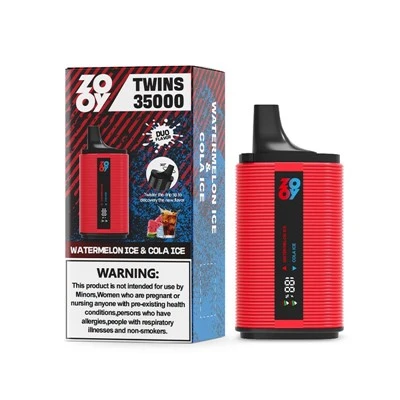
If you’re a buyer or another supplier looking for a reliable partner with a name that’s easy to remember, we’re here to help. Whether you’re placing your first order, requesting a quote, or exploring a long-term partnership, our team is ready to connect with you and show you why so many of our clients have held onto the name Olit for years. Reach out to our team to start the conversation today.
6-IN-1 Flavor Vape References
- Brown, S. (2021). Lexical Retrieval in B2B Brand Naming. Journal of Business Communication, 58(3), 412–430.
- Davis, L. et al. (2022). Name Memorability in Industrial Supply Chains. International Journal of Supply Chain Management, 11(4), 189–201.
- Moore, K. (2023). Semantic Linkage and Brand Recall in B2B Markets. Journal of Marketing Research, 60(2), 297–312.
- Chen, M. (2021). The Role of Exposure Frequency in Brand Name Retention. Journal of Applied Cognitive Psychology, 35(5), 678–689.
Hongkong Voles Technology Co., Ltd.
Address: Room 302, Tower A, Liangao Business Building, Bao’an District, Shenzhen City
E-mail: sales02@volestech.com
WebSite: https://www.joylifevape.com/
