If you’ve ever stood on a construction site, road maintenance yard, or rural worksite and watched a grader nimbly shape a smooth roadbed, you’ve probably wondered how these machines manage to perform such precise grading work, even in tough, uneven terrain. As a road machinery supplier who’s been in this industry for over a decade, I’ve heard that question countless times from operators, project managers, and even new mechanics looking to pick the right machine for their job. The biggest distinction that comes up again and again is between rigid-frame and articulated road graders—and it’s not just a matter of design. The difference between these two machine types directly impacts everything from maneuverability on tight curves to load capacity on heavy-duty projects, and getting that choice right can mean the difference between a project that runs on schedule and one that drags on with avoidable downtime. Road Machinery
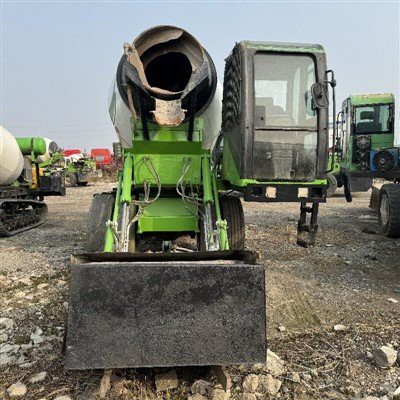
Let’s start with the basics, to set a clear foundation. Every road grader’s core purpose is simple: to level soil, gravel, or asphalt, shape road surfaces, remove debris, and maintain drainage slopes. The difference between rigid and articulated graders comes down to how their body is structured, how they move, and how those design choices translate to real-world performance.
A rigid-frame road grader is the traditional workhorse that’s been a staple in construction fleets for generations. Its design is straightforward: a single, solid frame that connects the front axle, the cab, and the rear axle into one unchanging unit. Unlike other machines that rely on flexible joints, the entire body moves as a single piece when it turns or navigates uneven ground. This design gives the rigid grader a reputation for exceptional stability, especially when working under heavy loads. The lack of a pivot point means that the grader’s center of gravity stays consistent, which is why rigid graders are often preferred for tasks that demand steady, heavy grading—like preparing base layers for highways, grading large gravel surfaces, or pushing heavy piles of material across long stretches of open ground.
Think about a highway widening project, where you need to move tons of gravel to shape a stable base before paving. A rigid grader’s solid frame distributes the weight of its blade and the material it’s moving evenly across both axles, reducing the risk of tipping even when the blade is angled deeply to shift large volumes of material. The rigidity also translates to greater precision for straight, long grading lines—since there’s no flex in the frame, the blade stays aligned consistently, which helps create smooth, even road surfaces without the subtle wobble that can come with a flexible joint. That stability is also a big plus for operators who are new to grading, because it’s more intuitive to control a single solid unit than a machine with a moving middle.
Now, let’s turn to the articulated road grader, the more modern design that’s taken over many tight-space and small-to-medium project sites in recent years. The key difference here is a middle pivot joint, located between the cab and the rear axle section, that lets the front and rear halves of the machine turn independently. When an articulated grader steers, the front axle and cab turn in one direction, while the rear axle turns in the opposite, creating a tight, pivot-like turning circle. This is the design’s superpower: it can maneuver in spaces that rigid graders can’t, from narrow residential street maintenance to small parking lot resurfacing projects, or working around obstacles like utility poles or existing curbs.
Articulated graders also tend to be lighter and more compact than equivalent rigid-frame models, which makes them easier to transport between small job sites without needing special oversize load permits. Their flexibility also lets them navigate uneven terrain with more adaptability—when the rear axle hits a small bump, the pivot joint absorbs that movement, keeping the front blade more stable than it would be on a rigid frame. That’s a big advantage for rural road maintenance, where the terrain is often uneven and curves are frequent; an articulated grader can follow winding roads much more smoothly, reducing the number of passes needed and saving time on each project.
But here’s where the real trade-offs come in, and where the choice between rigid and articulated isn’t just about maneuverability—it’s about matching the machine to the job. Let’s break down the key differences in practical, on-the-job terms, not just technical specs.
First, turning radius and maneuverability. Rigid-frame graders typically have a much larger turning circle, ranging from 30 to 40 feet for standard models, depending on their size. That means they need extra space to turn around, which can be a major headache on small sites or tight residential streets. Articulated graders, by contrast, can have a turning radius as small as 15 feet for compact models, making them ideal for confined spaces where even a small rigid grader won’t fit. I’ve seen this play out first-hand: a few years back, a local municipality hired us to handle resurfacing for a 10-block residential neighborhood. We initially quoted a mid-sized rigid grader, but when we scouted the site, we found that the alleys between blocks were too narrow for even the smallest rigid model. Swapping in an articulated grader cut the time to complete the job by two days, because we didn’t have to back up large spaces to turn around at the end of each block.
Next, stability and load capacity. This is where rigid graders clearly take the lead. Because their solid frame distributes weight evenly across both axles, they can handle much larger blade loads without risking tipping or frame flex. For heavy-duty tasks like moving 5,000 pounds of soil at a time to shape a highway base, a rigid grader’s stability is non-negotiable. Articulated graders, with their pivot joint, have a slightly higher center of gravity when working with angled blades, which means they’re more prone to tipping if overloaded or working on steep slopes. That’s not to say articulated graders can’t handle heavy work—they’re just better suited for lighter, more frequent tasks rather than the extreme heavy loads that rigid graders excel at.
Precision and surface finish. When it comes to creating a smooth, uniform surface, rigid graders often outperform articulated models, thanks to their lack of frame flex. A rigid blade stays perfectly aligned, line after line, which is critical for projects like airport runway grading, where even a ¼-inch uneven spot can cause drainage issues or safety hazards. Articulated graders, while they’re very capable, can have subtle flex in the pivot joint when the blade is under heavy load, leading to slight variations in the surface that require extra passes to fix. That said, modern articulated models have improved a lot in this area; high-end models with reinforced pivot joints and precision hydraulic controls can match rigid graders for finish work on smaller projects, as long as you account for that slight flex in operation.
Operator comfort and control. This is another practical difference that many people overlook. Rigid graders have a more consistent, steady ride, which can be better for operators who work long hours on open, straight sites—no sudden shifts in the machine’s movement to cause fatigue. Articulated graders, with their steering design, can feel more responsive in tight turns, but that responsive steering can take some getting used to for operators who’ve only worked with rigid models. The pivot joint also creates a small amount of movement in the frame, which some operators find less comfortable over long shifts, though many modern models have vibration-damping cabs that minimize that.
Maintenance is a third key factor, from a machine owner’s perspective. Rigid-frame graders have a simpler structure overall—no pivot joint, no complex hydraulic systems for articulation, fewer moving parts to wear out. That means routine maintenance is often cheaper and faster; changing oil, replacing filters, or repairing small mechanical issues is straightforward, with less risk of damaging a specialized joint. Articulated graders, by contrast, have that pivot joint to maintain, plus additional hydraulic lines that control the steering and blade movement. The pivot joint needs regular greasing, inspection for wear, and occasional realignment, which adds to the long-term maintenance costs. That’s an important consideration for small business owners or contractors who manage a small fleet and need to keep operating costs low.
So how do you choose between them, beyond the basic trade-offs? As a supplier, I always walk clients through a few key questions to narrow down the right machine: What’s the primary job? If you’re working on heavy-duty, long-distance projects like highway construction, airport grading, or large land development, a rigid grader is almost always the better choice for stability and load capacity. If you’re working on tight, small-scale jobs like residential street maintenance, parking lot resurfacing, or rural road repair with lots of curves, an articulated grader will save you time and effort with its maneuverability. What’s the site size and layout? If you regularly work on sites under 10,000 square feet with narrow spaces, an articulated model is non-negotiable; if most of your jobs are open, wide spaces, a rigid grader will be more efficient. What’s your budget, upfront and long-term? Rigid graders often have a lower upfront cost for equivalent sizes, and lower ongoing maintenance, while articulated graders are a better investment if their maneuverability will translate to more jobs completed faster, offsetting the slightly higher costs.
I’ve seen clients make the wrong choice more times than I can count, usually because they prioritize one feature over all others. A construction company once bought an articulated grader thinking it would be more versatile, but they were doing mostly highway work—within a year, they were back looking for a rigid model because the articulated machine couldn’t handle the heavy blade loads they needed, and the maintenance costs were higher than they’d budgeted. Another small contractor initially bought a rigid grader because it was cheaper, but after a few jobs on residential streets, they realized they were losing half a day every week waiting to turn around, and they ended up swapping for an articulated model that let them double their weekly project count.
That’s why it’s not just about the specs—it’s about matching the machine’s design to your specific work needs. A rigid-frame grader isn’t better than an articulated one, and vice versa; they’re built for different jobs, like a dump truck and a flatbed truck, each excelling at what they’re designed to do. For road machinery, the right choice doesn’t come down to which is “better”—it comes down to what fits your fleet, your job sites, and your long-term goals.

At the end of the day, road graders are only as good as how well they fit the work you’re doing. Whether you’re shaping a highway base or patching a residential street, understanding the difference between rigid and articulated designs helps you avoid costly mistakes, save time on every project, and get the most out of your investment in road machinery. If you’re not sure which machine is right for your next project, don’t guess—reach out to us to discuss your specific needs, and we’ll help you find the grader that fits your jobs, budget, and team.
Second Hand Mixer Truck References
- Society of Construction Machinery Manufacturers. Operational Characteristics of Road Graders. 2021.
- International Road Federation. Road Maintenance Equipment Performance: Rigid vs Articulated Models. 2022.
- Construction Equipment Association. Fleet Management for Grader Operations. 2020.
Liangshan Guanyue Auto Trading Co., Ltd.
As one of the leading road machinery manufacturers and suppliers in China, we warmly welcome you to buy bulk high quality road machinery at low price from our factory. If you have any enquiry about pricelist and quotation, please feel free to email us.
Address: Liangshan County, Jining City, Shandong Province
E-mail: guanyuetruck@gmail.com
WebSite: https://www.gytruck.com/
